Basement waterproofing is a systematic process that protects your foundation from water damage through strategic drainage, barrier installation, and moisture control solutions tailored to your home’s specific needs. Understanding how basement waterproofing works helps homeowners make informed decisions about protecting their largest investment. The complete process typically takes three to five days and involves multiple specialized steps, from initial assessment through final testing and quality assurance.
Water intrusion causes thousands of dollars in damage to New Hampshire homes every year. Foundation cracks, hydrostatic pressure, poor grading, and failed drainage systems all contribute to basement flooding and moisture problems. A proper waterproofing solution addresses not just the symptoms but the root causes of water entry.
Why Water Enters Your Basement in the First Place
Water follows the path of least resistance. When soil around your foundation becomes saturated from rain, snowmelt, or groundwater, it creates pressure against basement walls. This hydrostatic pressure forces water through any available opening, including cracks smaller than a credit card edge, mortar joints between blocks, and the cove joint where walls meet floors.
Homes in More Dover and surrounding areas face unique challenges. Clay-heavy soils common throughout the region drain slowly, keeping water near foundations longer. Freeze-thaw cycles crack concrete and create new entry points each winter. Many older homes were built before modern waterproofing standards existed.
The Initial Inspection and Problem Assessment
Every effective waterproofing project begins with a thorough inspection. A qualified technician examines your basement inside and out, looking for active leaks, efflorescence (white mineral deposits), rust stains, previous repair attempts, and structural concerns. They measure moisture levels with specialized meters and trace water paths to identify entry points.
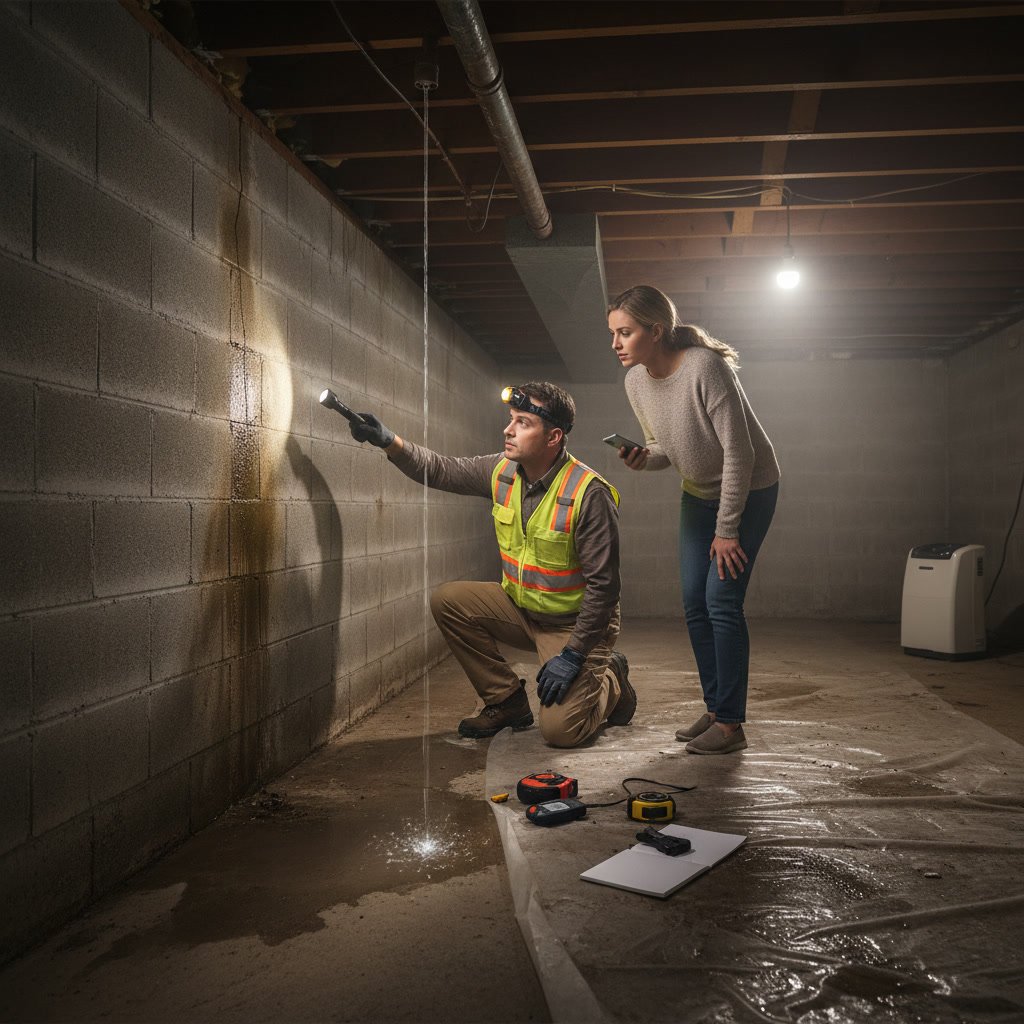
The exterior inspection reveals grading issues, gutter problems, window well conditions, and soil composition. Your inspector checks for negative grading where soil slopes toward the foundation instead of away from it. They note vegetation too close to walls and downspouts that discharge too near the house. This comprehensive assessment determines which solutions your specific situation requires.
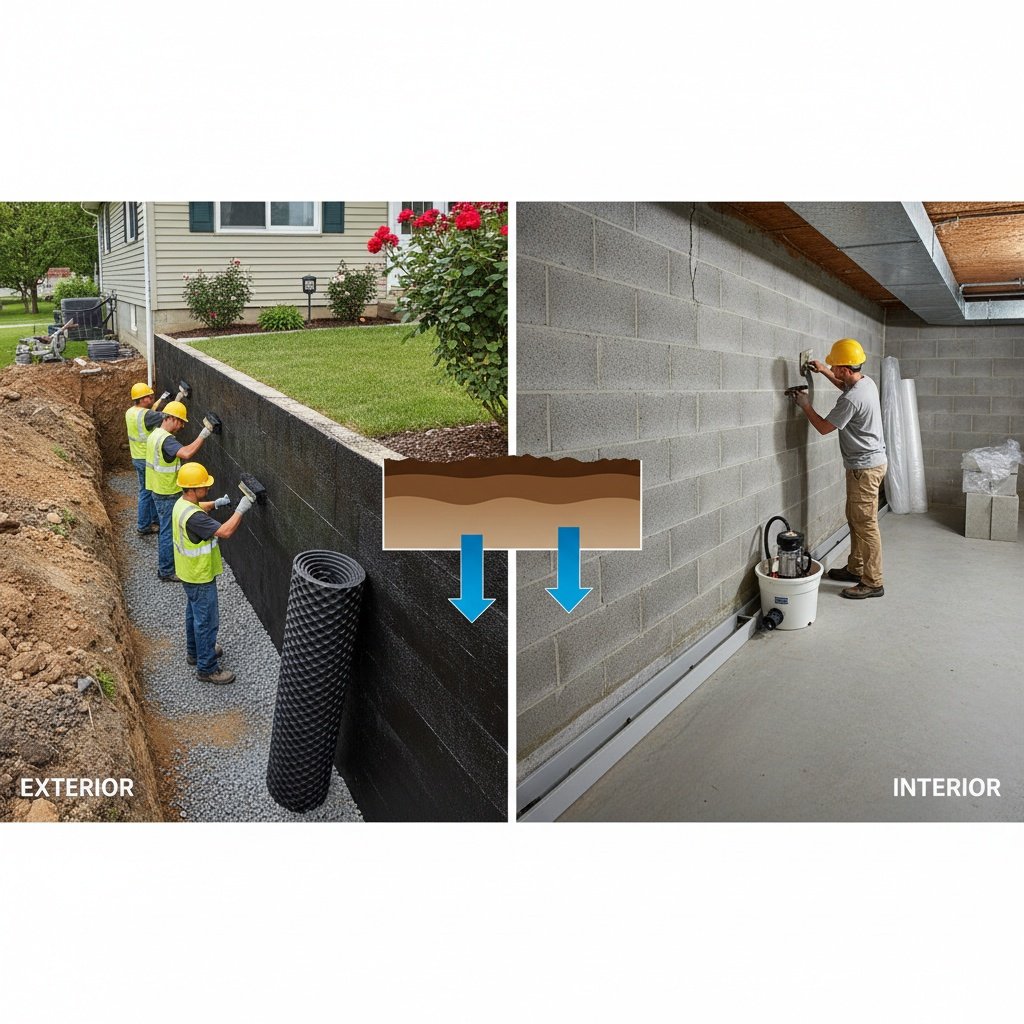
A proper inspection also identifies whether you need interior or exterior waterproofing, or a combination. Interior systems manage water that has already entered, while exterior systems prevent entry. Most homes benefit from interior solutions because they cost less and work reliably without extensive excavation.
Step-by-Step Breakdown of the Installation Process
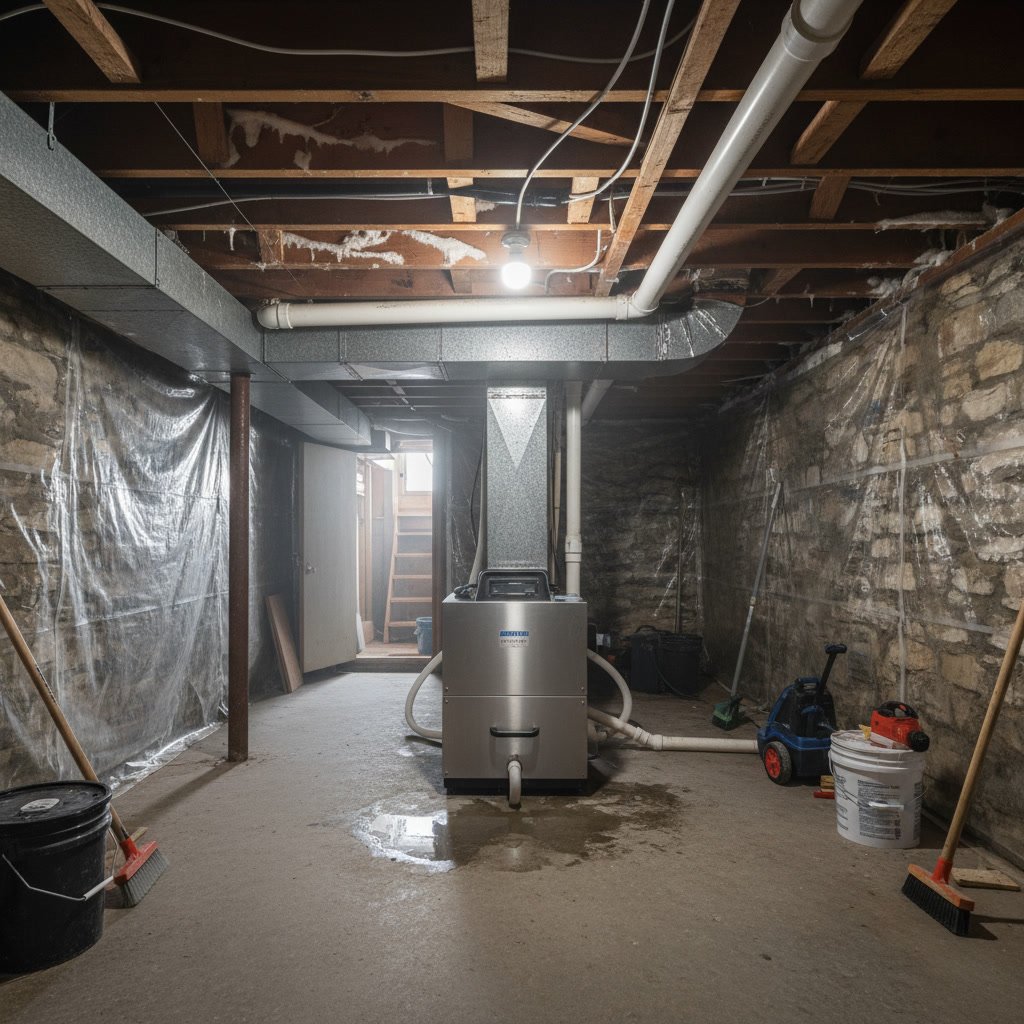
Once you approve the recommended solution, installation follows a proven sequence. The crew begins by protecting your belongings and establishing work zones. Drop cloths, plastic barriers, and temporary lighting create a safe, organized workspace.
Perimeter Drainage Channel Creation
The first major step involves breaking out a 12-inch strip of concrete along the basement perimeter where walls meet the floor. Jackhammers and concrete saws remove this section to expose the footing. This creates the channel where the drainage system will sit, capturing water before it reaches your basement floor.
Drainage Pipe and Stone Installation
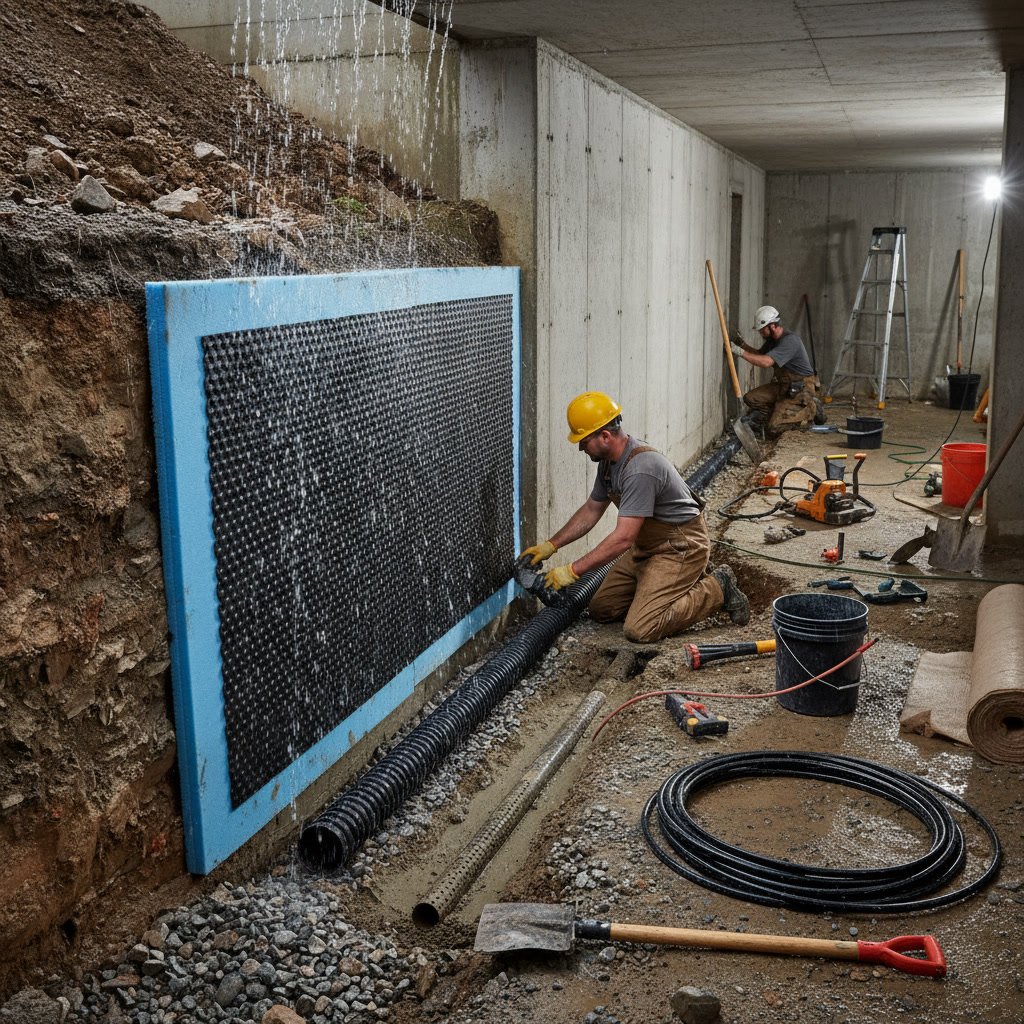
Perforated drainage pipe goes into the channel, positioned to collect water from both the cove joint and any wall penetrations. Clean crushed stone surrounds the pipe, allowing water to flow freely while filtering out sediment. The stone layer extends up the wall several inches, creating additional drainage capacity. Proper pitch ensures water flows toward the collection point without standing or backing up.
Sump Pump Basin and Equipment
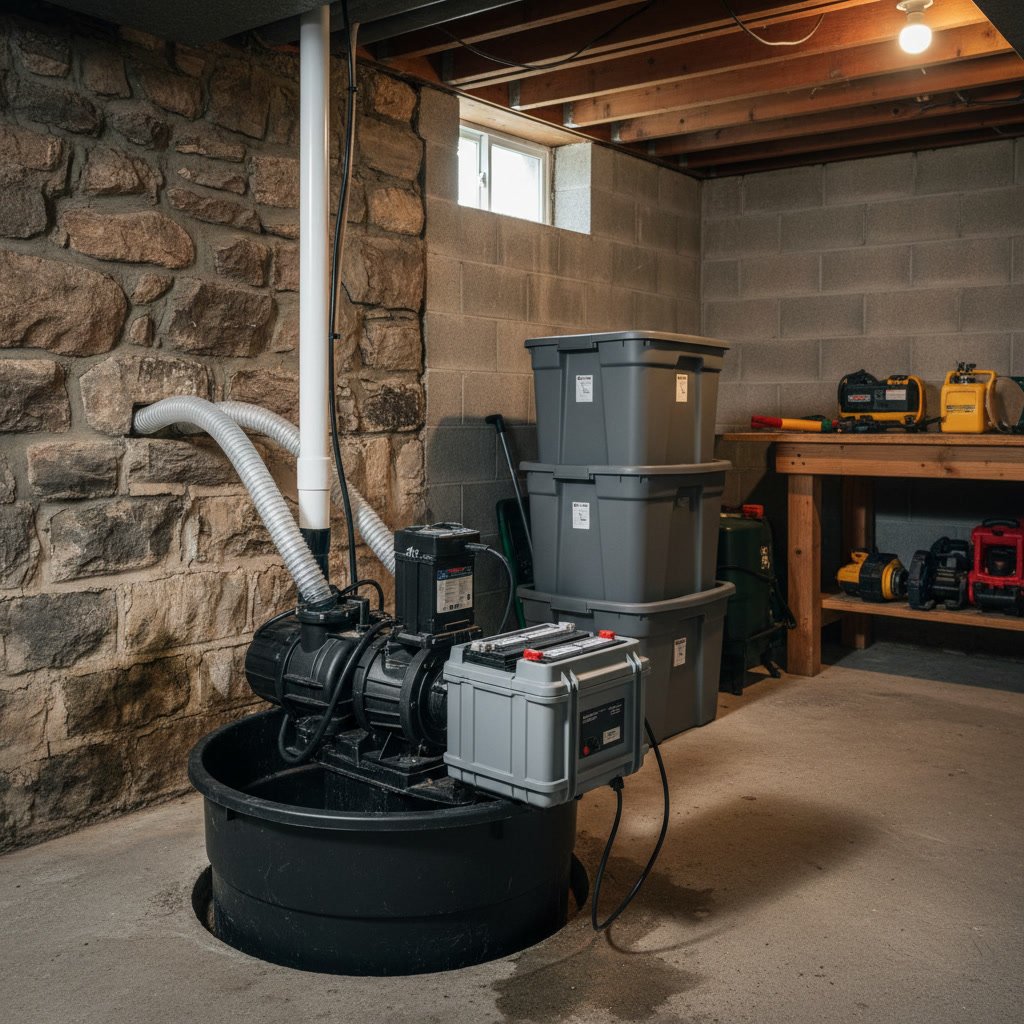
A sump pump basin is installed at the lowest point of the drainage system. This basin collects all water from the perimeter drain and houses the pump that removes it from your home. Quality basins include airtight lids to prevent humidity and an alarm to alert you if water rises too high. The pump discharge line runs outside and away from your foundation, typically 10 to 20 feet from the house.
Sealing Cracks and Penetrations
After drainage installation, technicians address visible cracks and gaps. Hydraulic cement, epoxy injection, or polyurethane foam seal these openings depending on crack size and type. Floor cracks get routed out and filled. Wall cracks may require injection from bottom to top to ensure complete penetration.
Penetrations where pipes, wires, or old supports pass through walls also need sealing. These often-overlooked spots can leak for years without obvious signs until water damage spreads. Professional sealants remain flexible as your foundation shifts slightly with seasonal changes, preventing new cracks from forming at repair sites.
Concrete Restoration and Surface Work
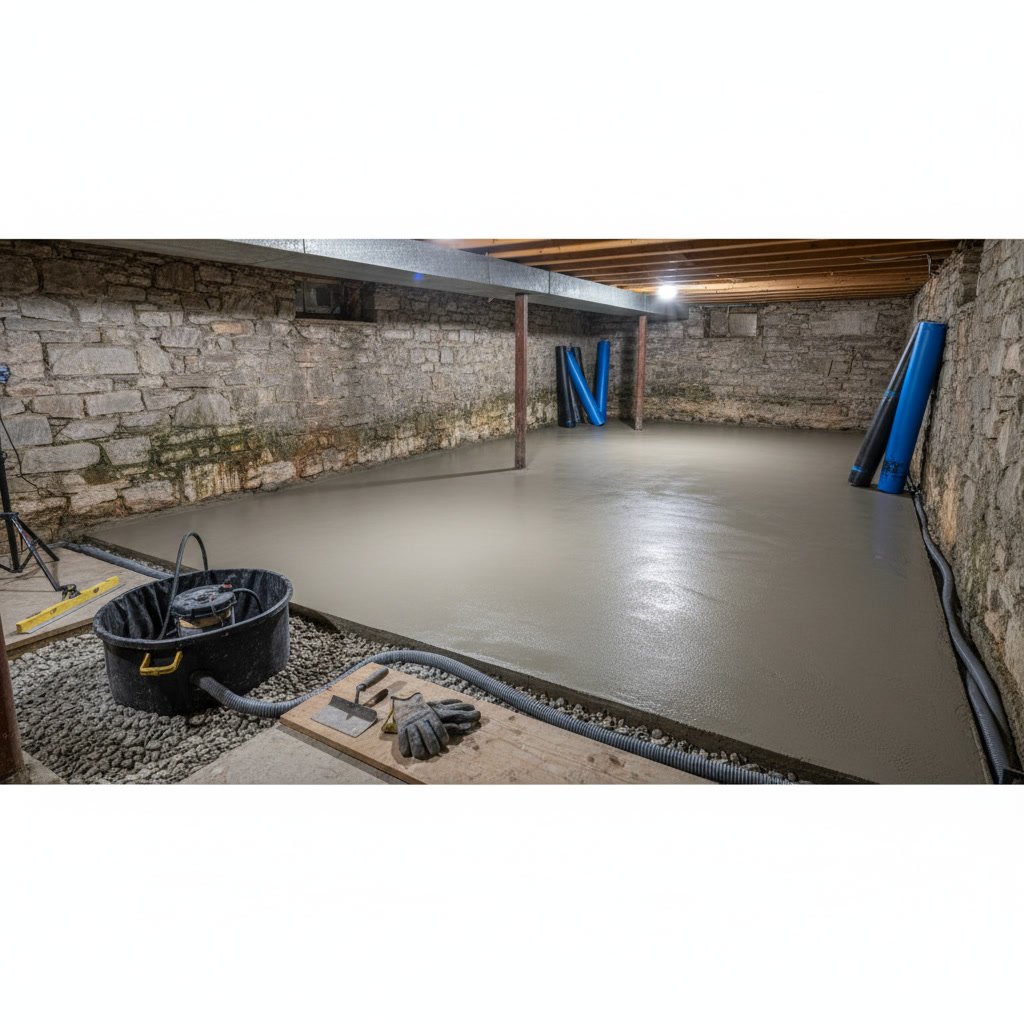
Once the drainage system is in place and sealed, fresh concrete fills the perimeter channel. This new floor section is troweled smooth and slopes slightly toward the drain to encourage surface water flow. The concrete typically cures for 24 to 48 hours before you can walk on it normally.
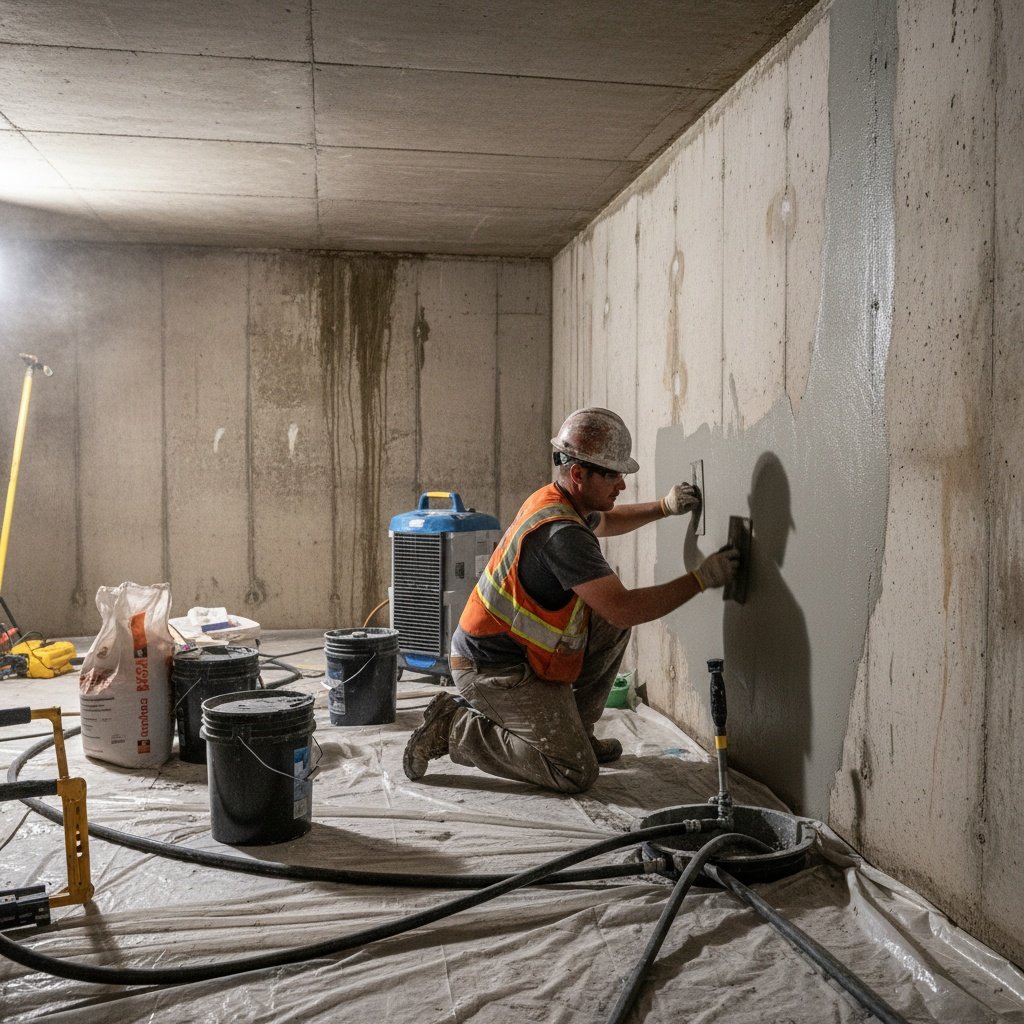
Some projects require more extensive concrete work. If your existing floor has settled, cracked extensively, or drains poorly, a complete concrete slab replacement may make sense. This creates a fresh, level surface and allows proper grading toward your drainage system. Learn more about this process in our guide to basement concrete slab installation.
Moisture Control Systems in More Dover Homes
Drainage alone does not always solve humidity problems. New Hampshire’s climate creates persistent dampness, especially during summer months when warm, humid air meets cool basement walls. This condensation can total gallons of water per day even in waterproofed basements.
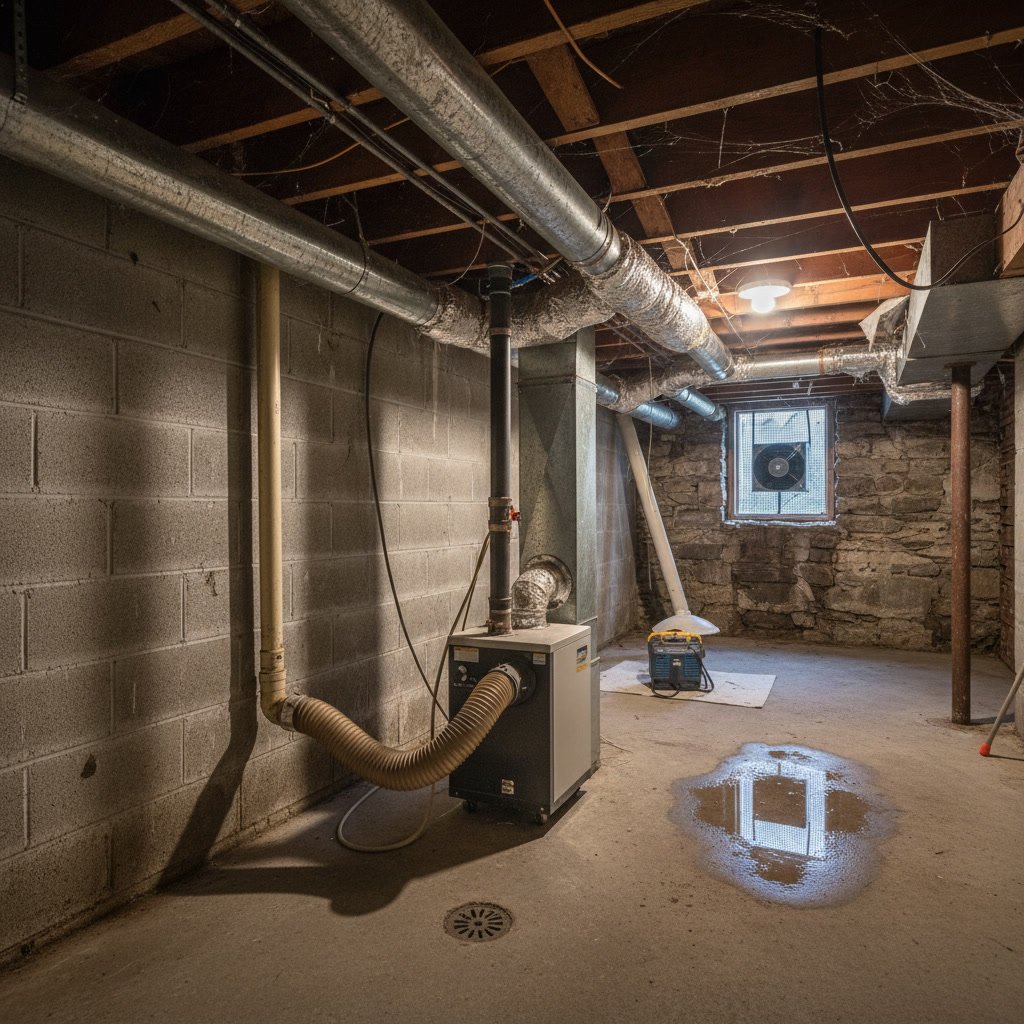
Basement dehumidification systems remove this airborne moisture before it causes problems. Commercial-grade units designed for below-grade spaces pull 70 to 100 pints daily, far exceeding typical household dehumidifiers. They drain automatically to your sump basin and run continuously to maintain optimal humidity between 45 and 55 percent.
Proper humidity control prevents mold growth, protects stored items, improves air quality, and makes your basement comfortable year-round. This step transforms a merely dry basement into truly usable living space.
Battery Backup Systems for Power Outages
Your sump pump only works when it has power. Severe storms that bring heavy rain also frequently cause outages, leaving your basement vulnerable at the worst possible time. A quality battery backup system automatically takes over when electricity fails, running for eight to 12 hours on a single charge.
Modern systems include smart features like self-testing, charge monitoring, and alerts when maintenance is needed. The investment typically costs less than repairing even minor flood damage. Understanding how battery backup sump pumps work helps you choose the right capacity for your home.
Exterior Solutions and When They Make Sense
Some situations call for exterior waterproofing. Severe foundation cracks, bowing walls, high water tables, and hydrostatic pressure that interior systems cannot manage all warrant outside work. Exterior waterproofing involves excavating around your foundation to the footing level, applying waterproof membrane or coating, installing drainage board, and adding perimeter drain tile.
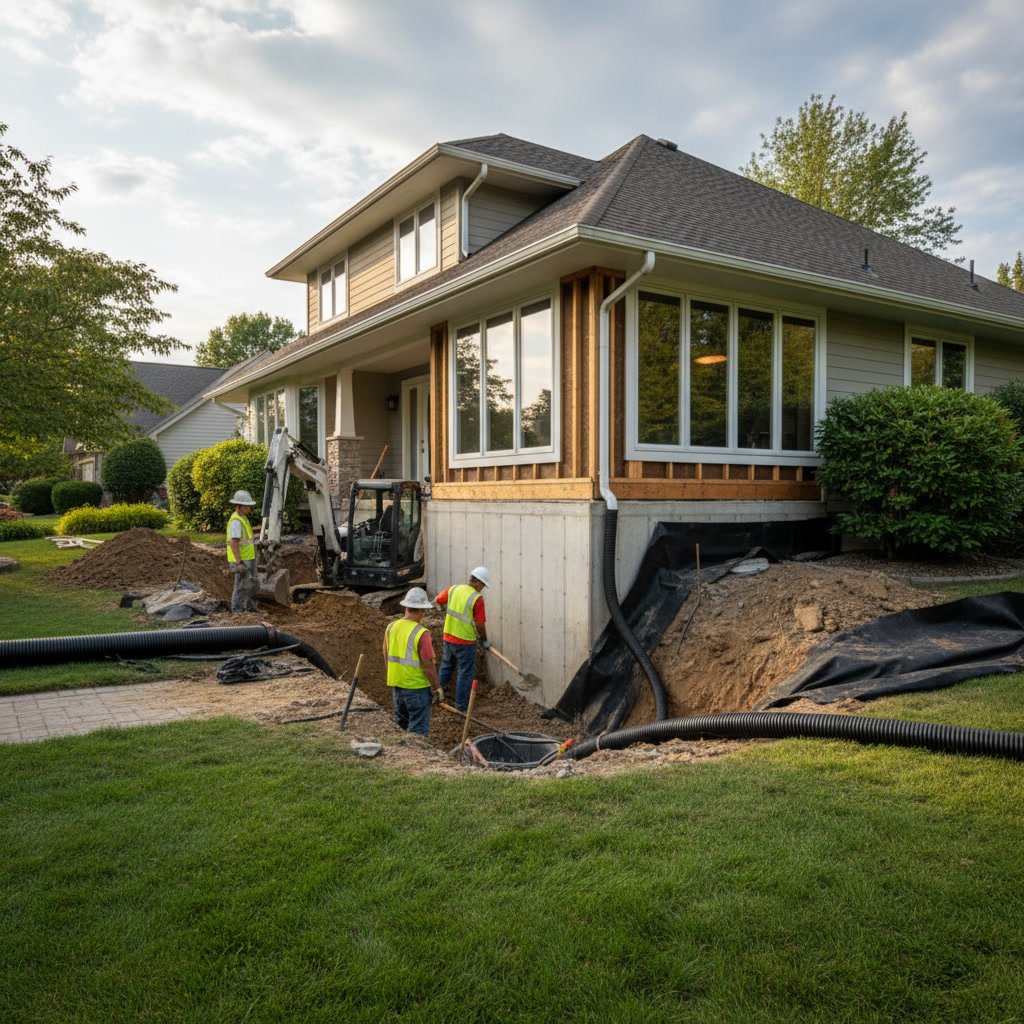
This approach stops water before it touches your walls. The work is more disruptive and expensive because it requires excavation, landscape restoration, and sometimes additional structural repairs. However, it delivers the most complete protection for homes with serious foundation issues. Projects in areas like Portsmouth near the coast sometimes need exterior solutions due to high groundwater levels and challenging soil conditions.
Testing, Cleanup, and Quality Assurance
Before the crew leaves, they test every component. Water is poured into the drainage system to verify flow. The sump pump cycles several times to confirm proper operation and adequate discharge. Backup systems are tested. Sealed areas are inspected for proper adhesion.
The work area gets thoroughly cleaned. Concrete dust is vacuumed, tools are removed, and debris is hauled away. Your belongings are returned to their places. A walkthrough with the project manager ensures you understand system operation, maintenance requirements, and warranty coverage.
Most quality installations include written warranties covering both materials and labor. These typically run 10 to 25 years depending on the specific products used. Keep your warranty documents with other home records and note any maintenance requirements to keep coverage valid.
Long-Term Maintenance and System Monitoring
Professional waterproofing systems require minimal maintenance but do need periodic attention. Sump pumps should be tested quarterly by pouring water into the basin until the pump activates. Listen for unusual noises and watch for proper discharge. Annual inspections catch small problems before they become emergencies.
Dehumidifiers need filter cleaning every few months and occasional coil maintenance. Battery backup systems should be tested twice yearly, with batteries replaced every three to five years depending on usage. Keep drainage channels clear of debris and monitor humidity levels with a simple hygrometer.
Many homeowners schedule annual service visits with their waterproofing company. A technician tests all systems, cleans pump screens, inspects seals, and provides a written report. This proactive approach extends system life and ensures reliable performance when you need it most.
Protecting Your Investment for Decades
A properly installed waterproofing system protects your home for 20 to 30 years or more with basic maintenance. The value extends beyond preventing water damage. Dry basements resist mold, preserve air quality, protect stored belongings, and create usable space. If you ever sell, a professional waterproofing system with transferable warranty adds tangible value and buyer confidence.
The process from start to finish involves skilled diagnosis, proven techniques, quality materials, and attention to detail. Each step builds on the previous one to create comprehensive protection. While the upfront investment may seem significant, it costs far less than repeated flood cleanup, mold remediation, structural repairs, and lost belongings.
NH Dry Basement LLC has helped hundreds of families throughout the Seacoast region protect their homes from water damage. As a family-owned business based in Barrington, we understand local conditions and deliver personalized service that larger companies cannot match. If you are dealing with basement moisture, active leaks, or persistent dampness, we would be glad to provide a thorough inspection and honest assessment. Reach out to our team at +16032359598 to schedule your free evaluation and learn exactly what your home needs.