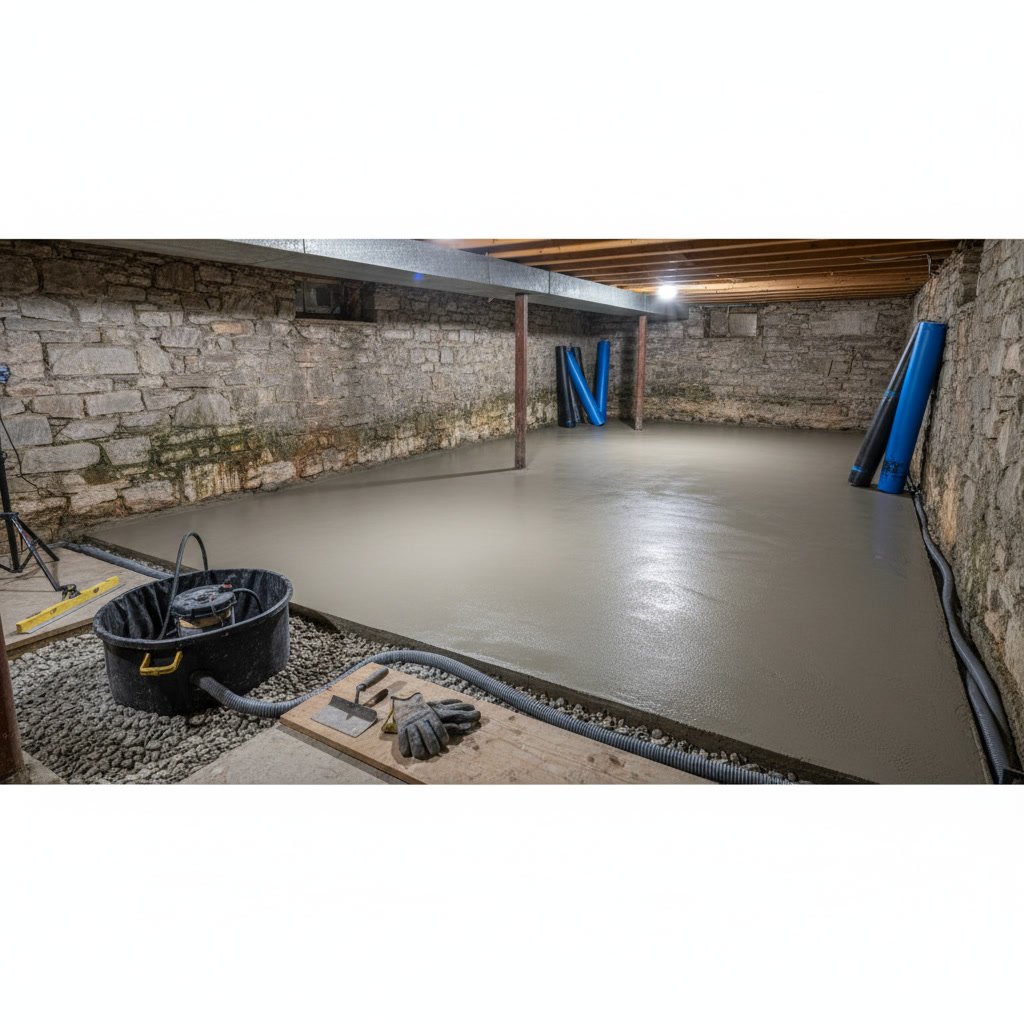
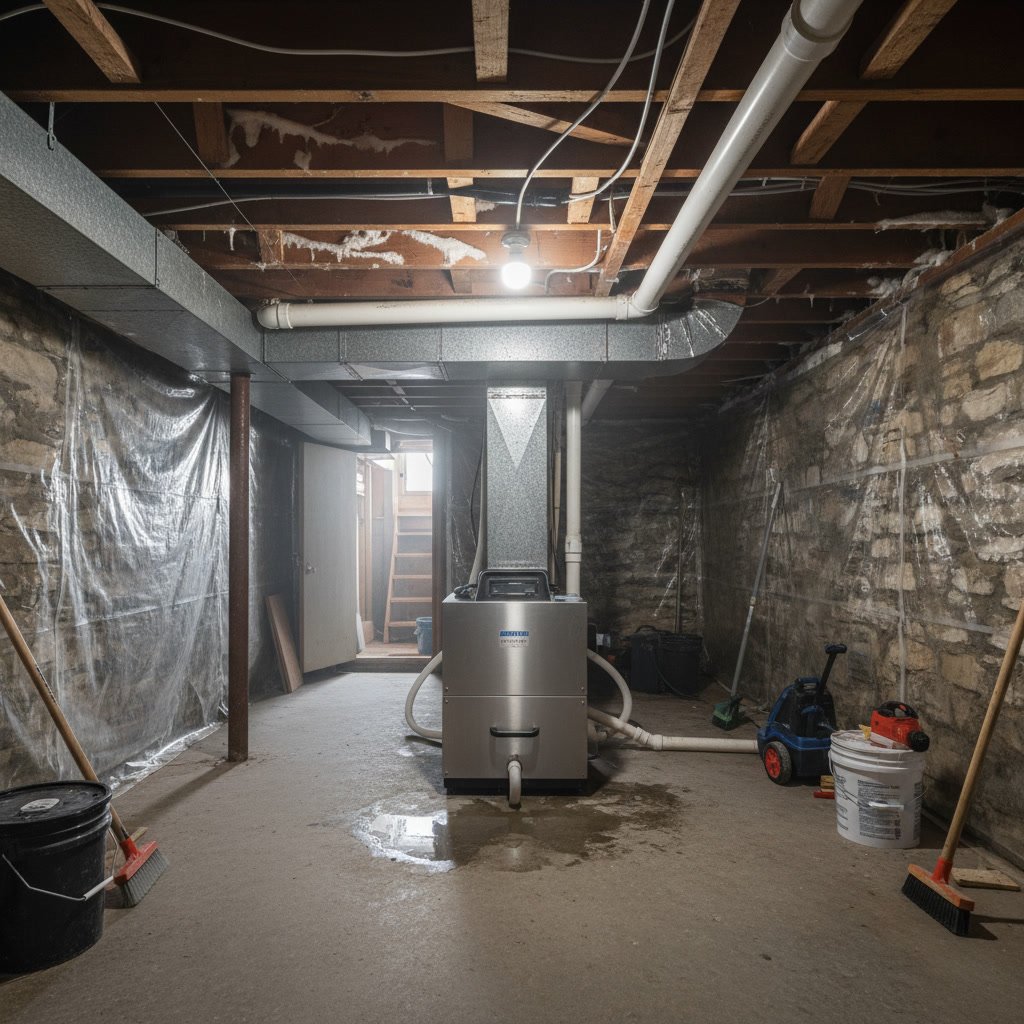
Portsmouth coastal homes sit in a moisture minefield. Salt air, tidal fluctuations, and year-round humidity create the perfect environment for crawl space problems. A properly sized crawl space dehumidifier can mean the difference between a dry, healthy home and expensive moisture damage that creeps up through your floors.
Most homeowners discover their crawl space humidity problem after noticing musty odors, buckled floors, or visible mold. By that point, damage is already underway. This guide covers what makes a dehumidifier effective in Portsmouth’s challenging coastal climate, which models handle the job, and how to choose the right unit for your home.
Why Portsmouth Homes Need Specialized Crawl Space Dehumidifiers
The Seacoast region experiences humidity levels that remain elevated even during winter months. Unlike inland New Hampshire locations, Portsmouth homes deal with constant moisture pressure from ocean proximity. Standard basement dehumidifiers from big box stores simply cannot handle the workload.
Coastal crawl spaces require commercial-grade units designed for continuous operation in spaces with limited air circulation. These environments typically maintain 70-90% relative humidity without intervention, far above the 50-55% target that prevents mold growth and structural damage.
Salt air accelerates corrosion on standard dehumidifier components. Units built for coastal applications use corrosion-resistant coils and housing that withstand the harsh environment. A regular dehumidifier might last two years near the coast, while a properly specified unit runs reliably for 10-15 years.
Pro Tip: Never vent a crawl space dehumidifier outdoors in coastal areas. The unit needs to condition the air within the sealed space to maintain proper humidity control. Outdoor venting simply pulls in more humid salt air.
Key Features That Matter in Coastal Crawl Space Dehumidifiers
Not all dehumidifiers handle crawl space conditions effectively. The right unit for a Portsmouth coastal home includes specific features that generic models lack.
Water Removal Capacity
Crawl space dehumidifiers are rated by the pints of water they remove per day at specific temperature and humidity conditions. For Portsmouth coastal homes, look for units that remove 70-100 pints daily. Smaller units run constantly without achieving target humidity levels, wasting energy and wearing out prematurely.
A 1,000 square foot crawl space in a coastal location typically requires a 90-100 pint unit. Homes with drainage issues or standing water problems need even more capacity, sometimes requiring multiple units or professional drainage solutions before dehumidification becomes effective.
Automatic Drainage Systems
Manual emptying of collection buckets makes no sense in a crawl space. Quality units include condensate pumps that automatically discharge water to a floor drain, sump pit, or exterior location. Look for pumps that lift water at least 15 feet vertically, giving you flexibility in placement and drainage routing.
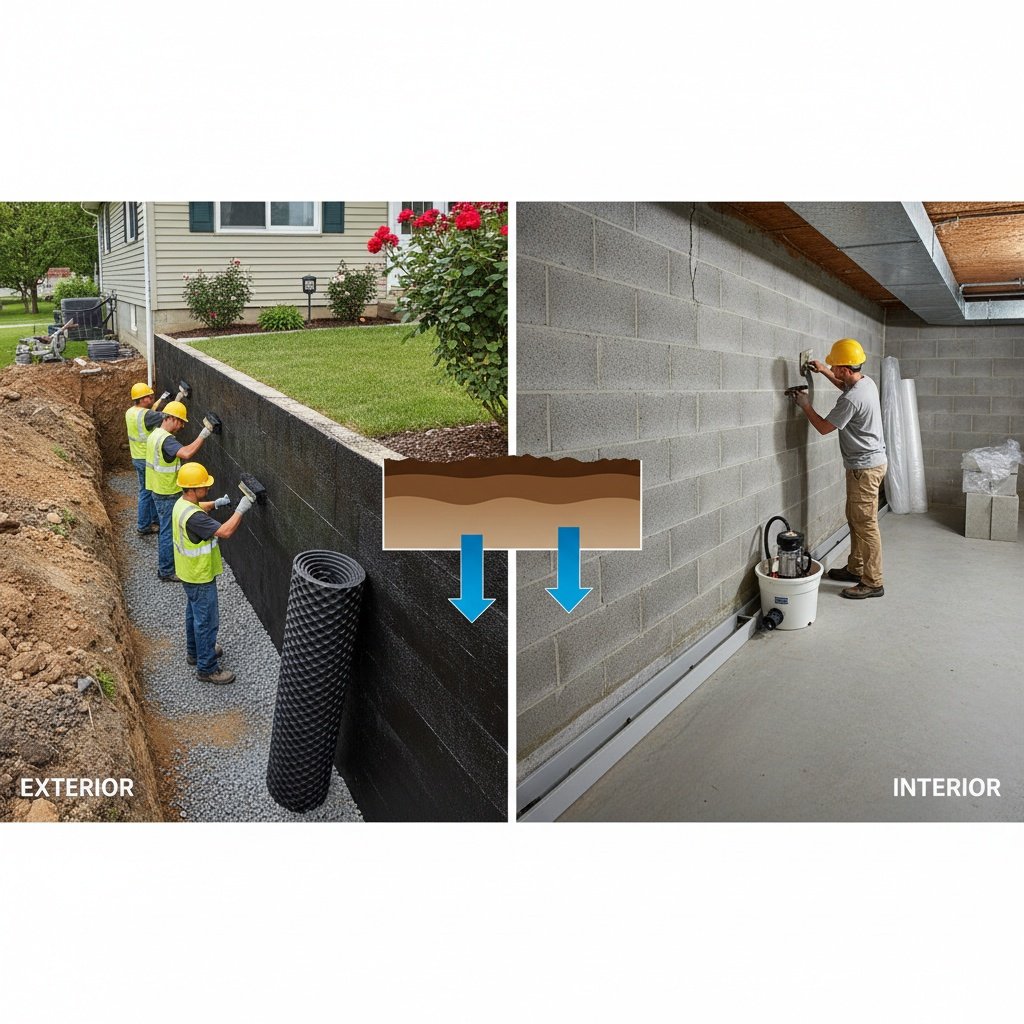
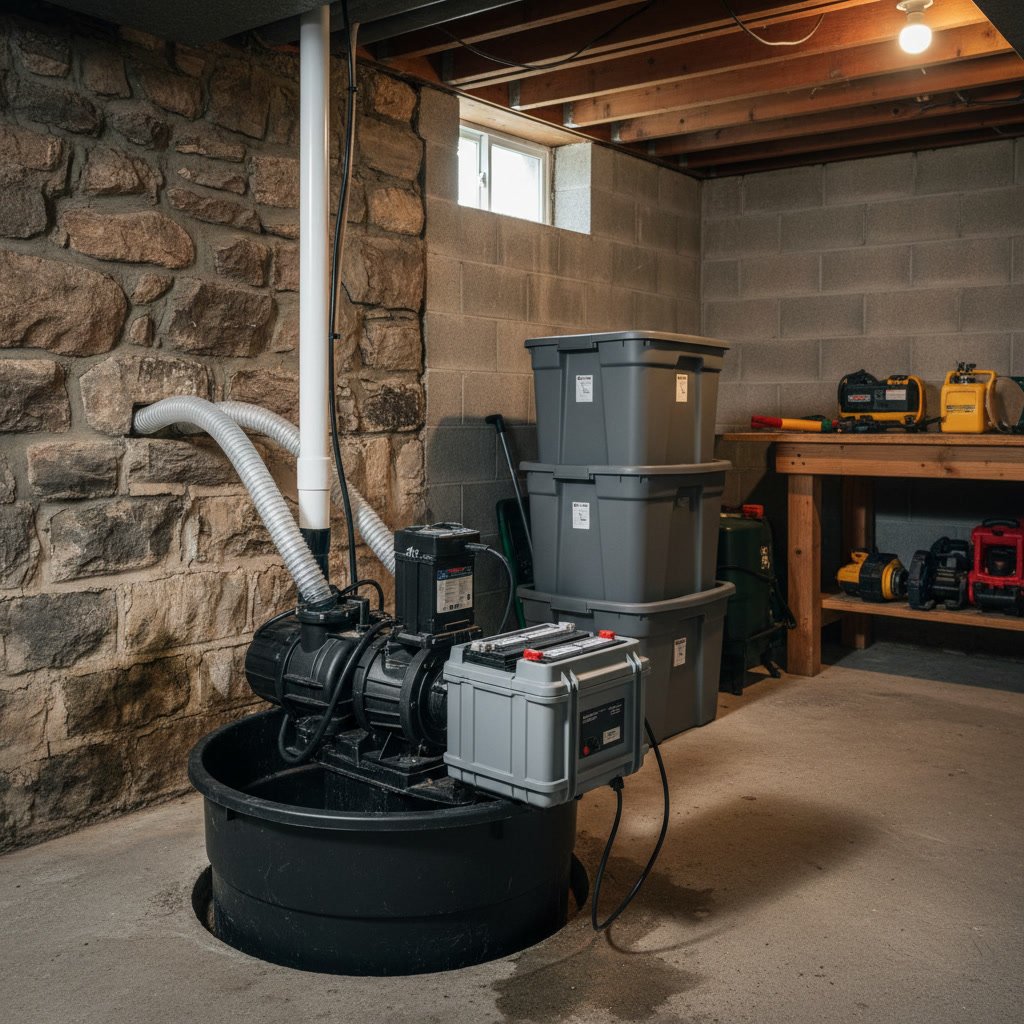
Some homeowners connect dehumidifier drainage directly to existing sump pump systems, creating a comprehensive moisture management solution. This approach works particularly well when combined with proper perimeter drainage.
Low-Temperature Operation
Portsmouth crawl spaces drop below 60 degrees for several months each year. Standard dehumidifiers ice up and shut down at these temperatures. Units designed for crawl spaces operate effectively down to 40-45 degrees, maintaining humidity control year-round.
Look for models with automatic defrost cycles that prevent ice buildup on coils. This feature extends equipment life and ensures continuous operation during shoulder seasons when temperature fluctuations are common.
Ducting Capability
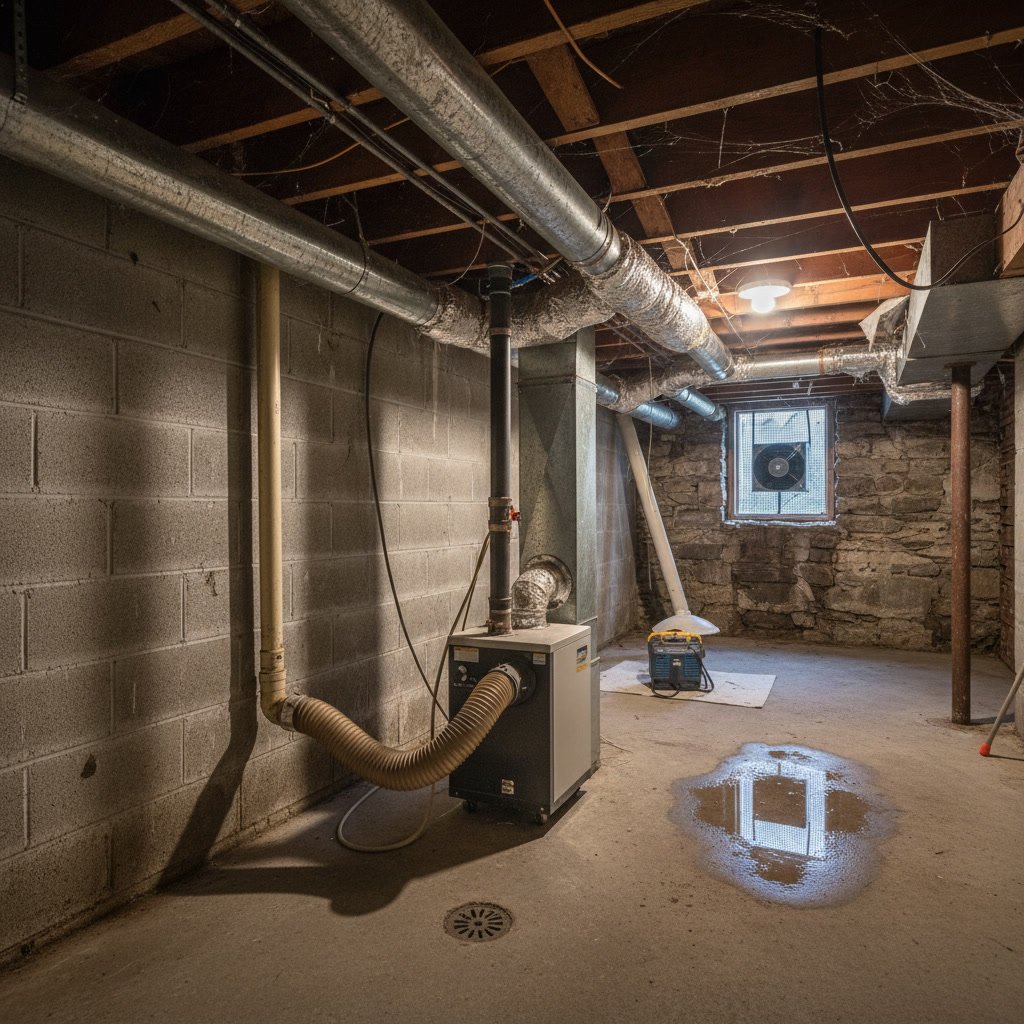
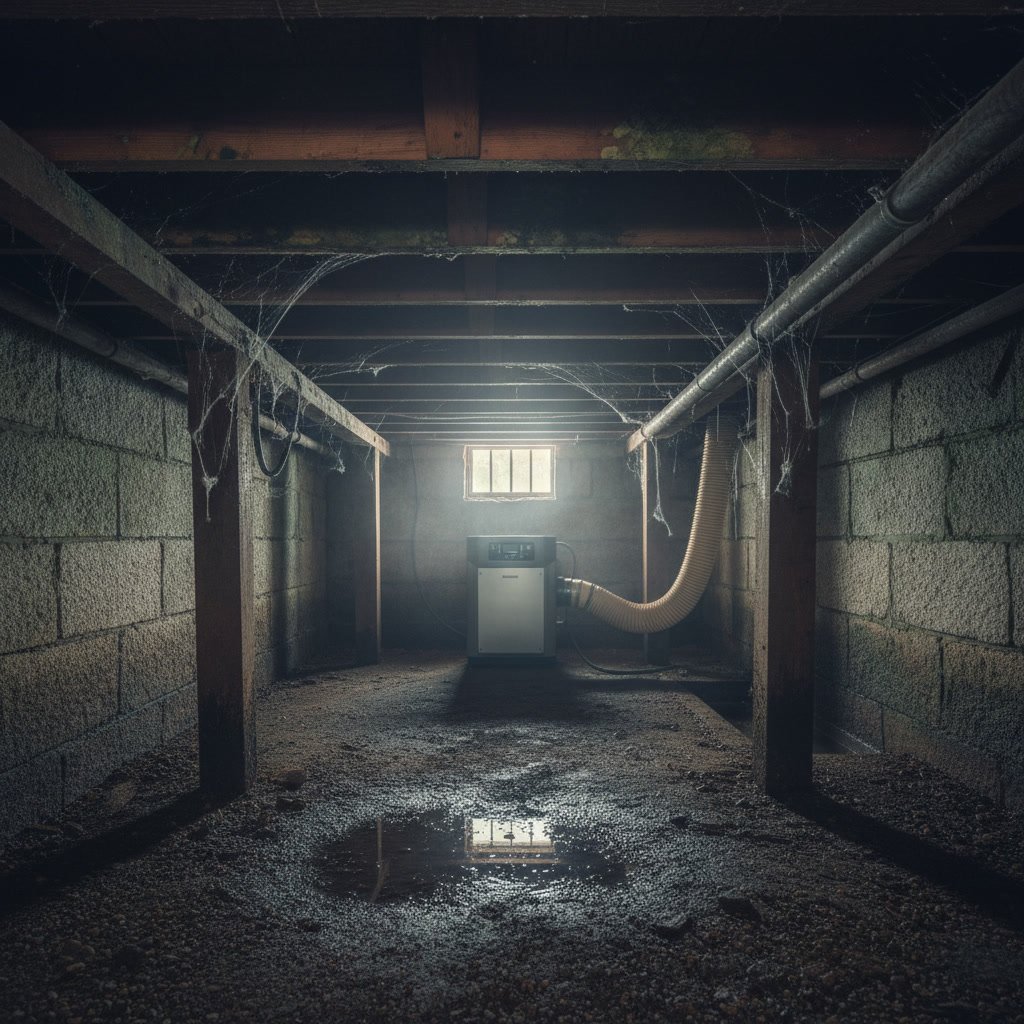
Crawl spaces with irregular shapes or multiple sections benefit from dehumidifiers that accept duct connections. Ducting allows one properly sized unit to condition air throughout the entire space, eliminating dead zones where moisture accumulates.
Professional installations often include 6-inch flexible ducting that distributes dry air to far corners and returns humid air to the unit. This creates active air circulation that passive dehumidification cannot match.
Top-Performing Models for Portsmouth Coastal Conditions
Several manufacturers produce dehumidifiers specifically engineered for crawl space applications. These units consistently perform well in coastal New Hampshire environments.
Aprilaire 1850 Series
The Aprilaire 1850 removes 95 pints per day and includes a powerful condensate pump. Its corrosion-resistant construction handles salt air effectively. The unit operates in temperatures as low as 41 degrees and features optional ducting for larger spaces.
This model works particularly well in Portsmouth homes between 1,500-2,500 square feet with typical crawl space heights of 24-36 inches. The compact design fits through standard crawl space access openings.
Santa Fe Compact Series
Santa Fe units are workhorses in the crawl space dehumidification world. The Compact70 removes 70 pints daily, while the Compact100 handles 100 pints. Both models include automatic drainage, corrosion-resistant coils, and operate down to 44 degrees.
These units carry higher upfront costs than consumer-grade dehumidifiers but deliver superior longevity and performance in challenging coastal conditions. Many professional waterproofing contractors specify Santa Fe for Portsmouth installations due to their reliability.
Ultra-Aire MD Series
The Ultra-Aire MD33 and MD98 models offer excellent performance in crawl space applications. These units feature remote humidity sensors that monitor conditions throughout the space rather than just at the unit location. This smart control prevents over-drying while maintaining optimal humidity levels.
The MD98 removes 98 pints daily and includes a powerful 20-foot vertical lift pump. This extra pumping capacity proves valuable in homes where drainage runs require long horizontal distances or significant elevation changes.
Proper Sizing for Your Portsmouth Crawl Space
Choosing the right capacity prevents wasted money on oversized units or ineffective undersized models. Several factors influence sizing beyond simple square footage.
Start with crawl space square footage multiplied by ceiling height to calculate cubic feet. Portsmouth coastal homes should add 25-30% to capacity requirements due to constant moisture pressure from ocean proximity. A 1,000 square foot crawl space would typically need a 70-pint unit inland but requires a 90-100 pint unit near the coast.
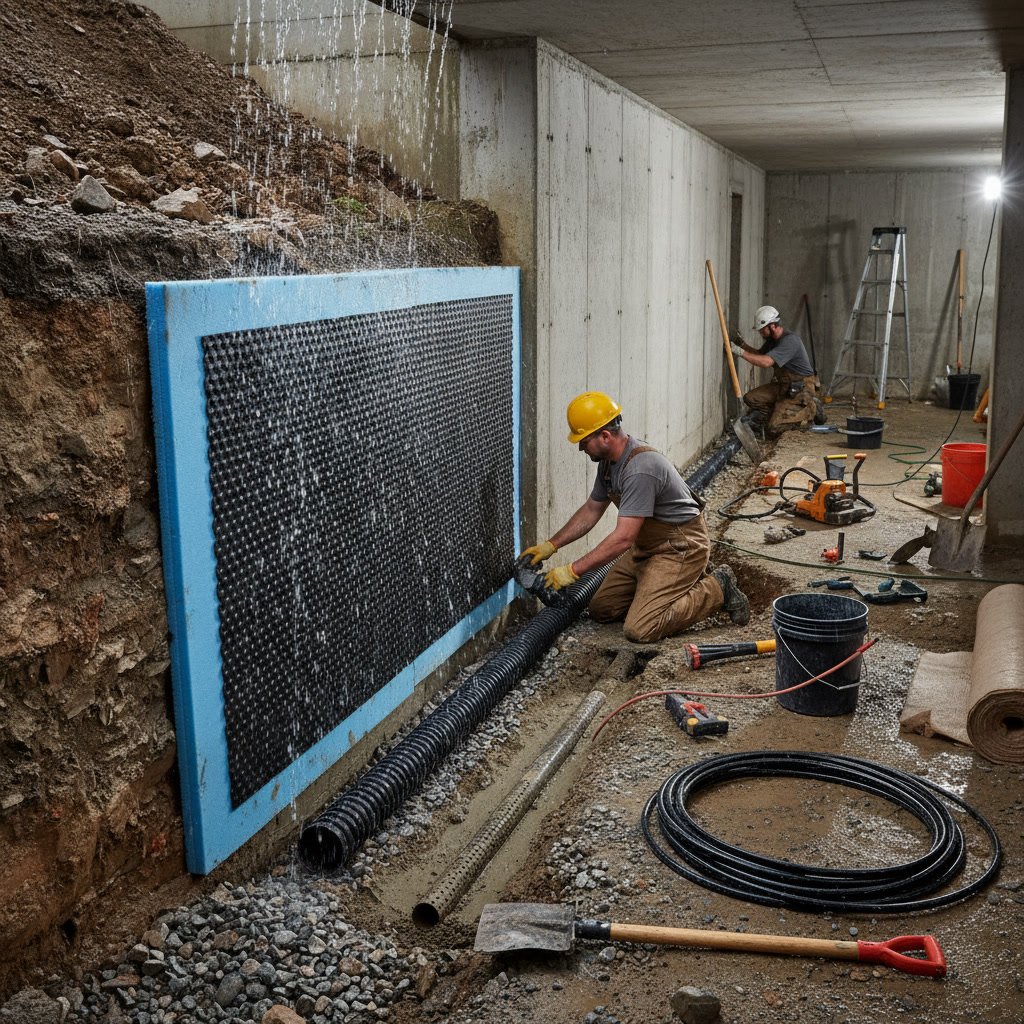
Homes with known water intrusion issues need additional capacity or must address water problems before dehumidification becomes practical. A crawl space dehumidifier cannot overcome active water entry. If your space experiences standing water or wet soil, professional waterproofing services should come first.
Vented crawl spaces require larger units than sealed spaces. However, most professionals recommend sealing crawl spaces before installing dehumidification. The combination of a sealed space with vapor barrier and properly sized dehumidifier delivers the most effective moisture control.
Key Takeaway: Coastal Portsmouth homes should size crawl space dehumidifiers 25-30% larger than manufacturer recommendations for inland locations. Salt air and constant humidity create additional load that standard sizing charts do not account for.
Installation Considerations for Maximum Performance
Even the best crawl space dehumidifier performs poorly if installed incorrectly. Proper placement and supporting systems determine whether the unit achieves target humidity levels.
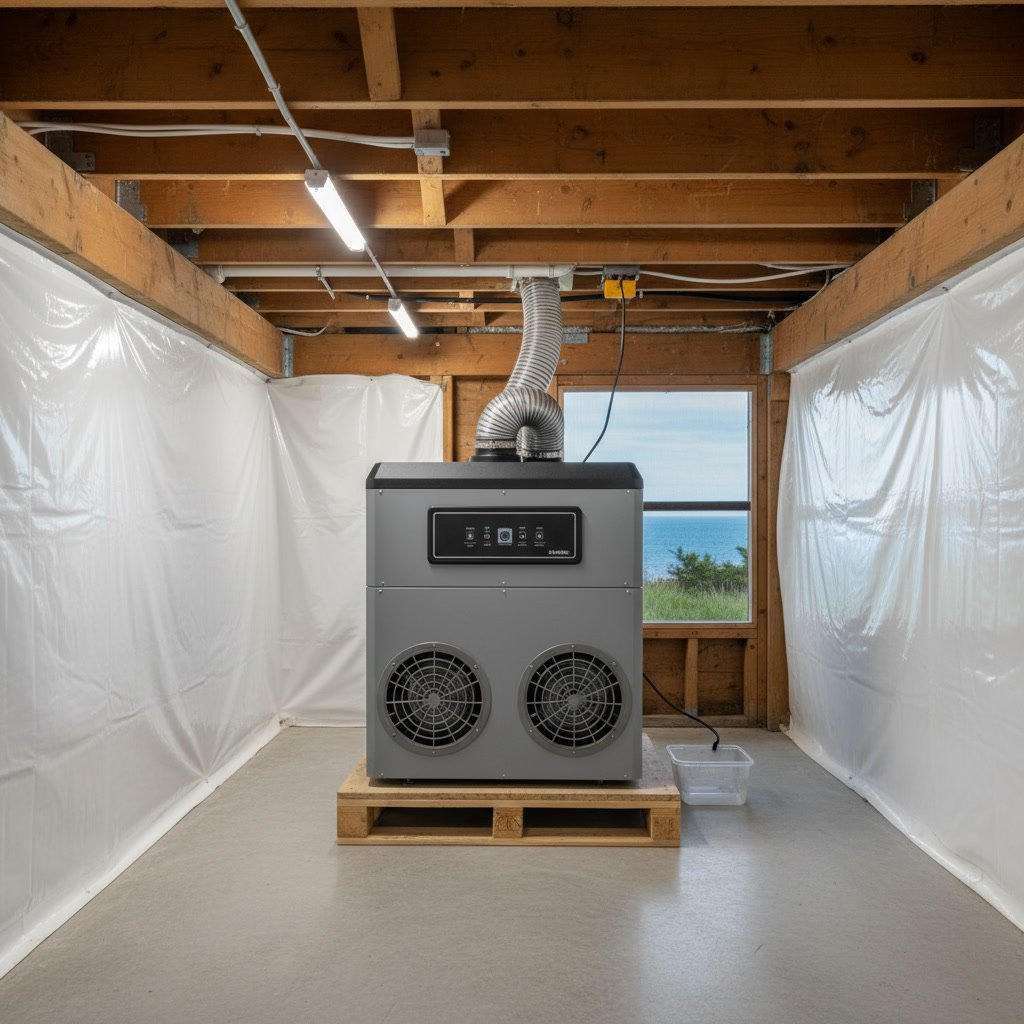
Position the dehumidifier centrally in the crawl space when possible, allowing air circulation around all sides. Units placed against foundation walls or in tight corners struggle to move air effectively. Leave at least 12 inches of clearance on all sides for optimal airflow.
The space must be properly sealed before dehumidification becomes cost-effective. This includes heavy-duty vapor barrier installation covering soil, sealed foundation vents, and insulated rim joists. Running a dehumidifier in a vented crawl space is like air conditioning with windows open.
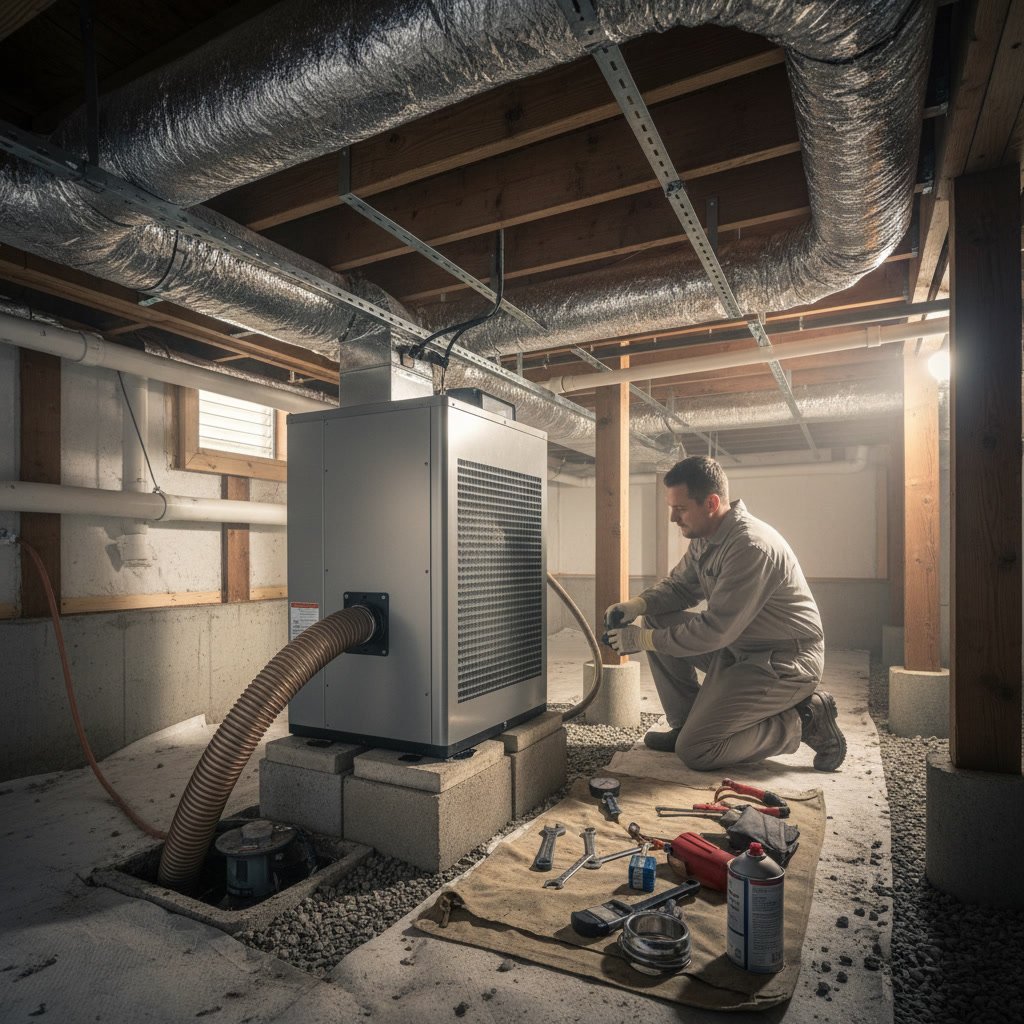
Drainage routing requires careful planning. Condensate lines should slope downward continuously with no sags where water can collect and freeze. In Portsmouth’s variable climate, outdoor drainage lines need burial below frost depth or routing to interior drains to prevent winter freezing.
Electrical supply must match unit requirements. Most crawl space dehumidifiers run on standard 115V circuits, but higher-capacity models may require 220V. GFCI protection is mandatory for crawl space installations. Some homeowners choose to add battery backup systems to maintain dehumidification during power outages, particularly valuable in coastal areas prone to storm-related outages.
Maintenance Requirements for Long-Term Performance
Crawl space dehumidifiers need regular attention to maintain efficiency and prevent breakdowns. Coastal environments accelerate wear, making maintenance even more critical.
Filters require cleaning or replacement every 30-60 days depending on crawl space conditions. Dirty filters restrict airflow, forcing the unit to work harder and reducing water removal capacity. Some models include washable filters that only need periodic cleaning, while others use disposable filters.
Check condensate pumps monthly to ensure proper drainage. Pumps can clog with sediment or algae growth, causing water backup and unit shutdown. Flush pump chambers with clean water and verify discharge lines remain clear.
Coils should be inspected annually for dirt buildup or corrosion. While coastal-grade units resist corrosion better than standard models, salt air still takes a toll over time. Professional inspection identifies developing issues before they cause failure.
Monitor humidity levels using a separate hygrometer placed away from the dehumidifier. Target levels should stay between 50-55% relative humidity. Levels consistently above 60% indicate the unit is undersized, improperly installed, or that water intrusion problems exist requiring additional moisture control measures.
Cost Considerations and Return on Investment
Quality crawl space dehumidifiers represent a significant investment compared to portable units from retail stores. Understanding the cost breakdown helps homeowners make informed decisions.
Professional-grade crawl space dehumidifiers range from $1,200 to $2,500 depending on capacity and features. Installation costs add another $500 to $1,500 depending on electrical work required, drainage routing complexity, and access difficulty. Total project costs typically fall between $1,700 and $4,000.
Operating costs run approximately $30-50 per month in electricity during peak humidity months. Portsmouth homes typically operate dehumidifiers year-round, though winter operation cycles less frequently. Annual operating costs average $300-500 depending on electricity rates and crawl space conditions.
The return on investment comes through preventing damage that costs far more than the dehumidifier system. Structural wood replacement, floor repair, and mold remediation easily reach $10,000-30,000. Energy efficiency improves as well, since humid air feels colder and forces heating systems to work harder.
Home resale value benefits from documented moisture control systems. Portsmouth buyers increasingly request crawl space inspections and view proper dehumidification as essential infrastructure rather than optional equipment.
When Professional Installation Makes Sense
Some homeowners tackle crawl space dehumidifier installation themselves, but professional installation offers advantages that justify the additional cost in many situations.
Professionals properly size units based on actual crawl space conditions, not just square footage. They identify drainage issues, vapor barrier problems, and ventilation concerns that undermine dehumidifier performance. Addressing these issues during installation prevents wasted money on equipment that cannot overcome underlying problems.
Electrical work requires licensed contractors in many New Hampshire municipalities. Running new circuits, installing disconnect switches, and ensuring proper GFCI protection keeps installations code-compliant and safe.
Professional installations typically include warranties covering both equipment and labor. DIY installations void most manufacturer warranties, leaving homeowners fully responsible for any defects or problems.
Companies experienced with Portsmouth coastal conditions understand the unique challenges these homes face. They specify equipment proven in similar environments and avoid units that fail prematurely in salt air. Local knowledge matters when protecting a significant investment.
Frequently Asked Questions
How long do crawl space dehumidifiers last in coastal environments?
Quality crawl space dehumidifiers designed for coastal use typically last 10-15 years with proper maintenance. Standard residential units last only 2-4 years in Portsmouth’s salt air environment. The corrosion-resistant components in professional-grade units justify their higher initial cost through extended service life.
Can I use a regular basement dehumidifier in my crawl space?
Standard basement dehumidifiers lack the features needed for crawl space applications. They do not operate effectively in low temperatures, lack proper drainage systems, and use components that corrode quickly in coastal crawl spaces. While less expensive upfront, they fail to control humidity properly and require frequent replacement.
What humidity level should I target in my Portsmouth crawl space?
Maintain crawl space humidity between 50-55% relative humidity year-round. Levels above 60% allow mold growth and promote wood rot. Levels below 40% can cause wood shrinkage and cracking, though this rarely occurs in coastal Portsmouth homes due to constant moisture pressure from ocean proximity.
Do I need to seal my crawl space before installing a dehumidifier?
Sealing the crawl space dramatically improves dehumidifier effectiveness and reduces operating costs. Installing a vapor barrier, sealing vents, and insulating rim joists should come before or alongside dehumidifier installation. Running a dehumidifier in an unsealed, vented crawl space wastes energy fighting constant humid air infiltration.
How much does it cost to run a crawl space dehumidifier?
Typical operating costs range from $30-50 monthly during peak humidity periods. Portsmouth coastal homes run dehumidifiers year-round but with reduced cycling in winter. Annual electricity costs average $300-500 depending on unit size, efficiency, and local utility rates. Sealed crawl spaces cost less to dehumidify than vented spaces.
Protecting Your Coastal Investment
The right crawl space dehumidifier protects your Portsmouth home from moisture damage that threatens structural integrity and indoor air quality. Proper equipment selection, professional sizing, and correct installation create a system that operates reliably for years in challenging coastal conditions.
Portsmouth homeowners facing crawl space humidity issues benefit from working with professionals who understand coastal moisture challenges. NH Dry Basement LLC serves Portsmouth and surrounding Seacoast communities with family-owned expertise in crawl space moisture control. Our team helps homeowners select and install the right dehumidification systems for their specific situations.
If you are dealing with crawl space humidity, musty odors, or moisture concerns in your Portsmouth area home, contact NH Dry Basement LLC at +16032359598 to discuss solutions that work in our coastal climate.